Virtual assistant · appointments & hospital info
Built by Simplifyne Technologies
Dal, roti, sabzi, and rice: the simple home meal that protects your child's immunity this Mumbai monsoon.
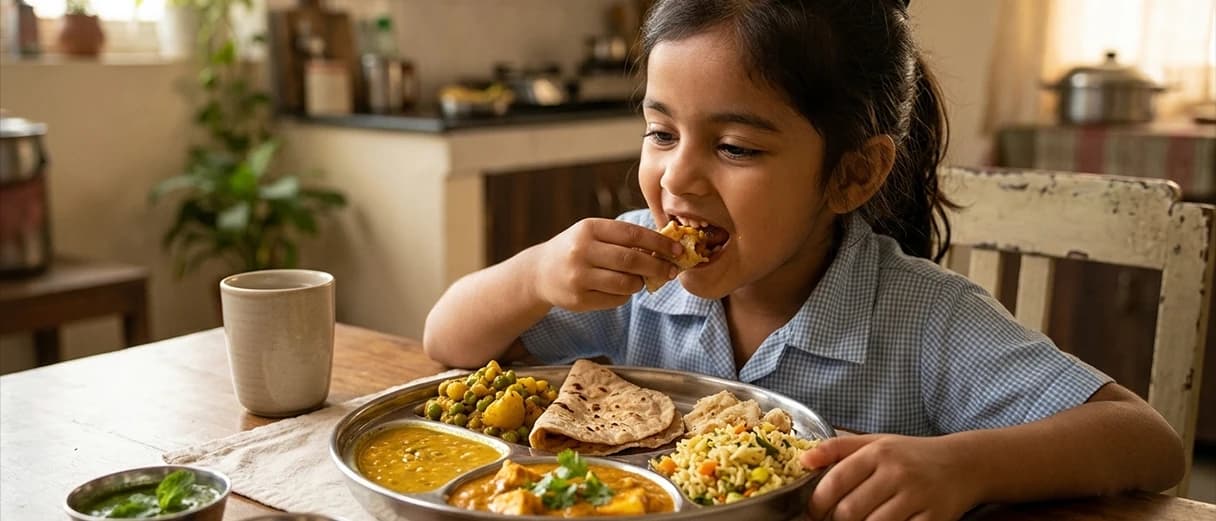
Every monsoon, the same shift happens in kitchens across Borivali, Dahisar, and Kandivali. Pakoras replace salads, hot chai replaces water, and the usual fruit bowl gets forgotten. For adults, these changes are a seasonal indulgence. For growing children, they can quietly create gaps in nutrition that affect immunity, energy, and resistance to infection.
The monsoon season also raises food safety risks that are specific to children. Bacteria multiply faster in humid conditions, water contamination increases, and the street food and cut fruit that children love become higher-risk items. This guide explains what changes in a child's diet during the monsoon, why it matters, and what parents in Mumbai can do to keep their children well-nourished and protected this rainy season.
Monsoon weather in Mumbai brings relief from the heat, but it also disrupts the rhythm of a child's eating day. School tiffin’s become harder to prepare safely when humidity spoils food faster. Appetites can shift: some children eat less when it is cool and damp; others graze more on comfort snacks. Both patterns can quietly undermine nutritional intake if parents are not paying attention.
At the same time, the immune system is being asked to work harder. Research published in PLOS ONE on monsoon weather and early childhood health in India found that excessive precipitation during the rainy season is associated with an increased risk of diarrhoeal infections in children under five, primarily because waterlogged environments accelerate the spread of gastrointestinal pathogens.
When a child gets diarrhoea, appetite drops, fluid is lost, and the body draws on stored nutrients to fight the infection. If those stores were already low because of poor monsoon eating habits, recovery takes longer and the risk of complications rises.
This is the nutritional cycle that plays out in households across Goregaon, Malad, and Mira Road every year between July and September. Understanding it is the first step to breaking it.
Concerned about your child's eating or immunity this monsoon? Speak to a specialist at Aarogyam Multispeciality Hospital, Borivali. Book a consultation: book-appointment
Most parents focus on what their child is eating. It is equally important to think about what they are not getting. Here are the five nutrients that tend to drop during the monsoon months, and why each one matters.
Zinc is essential for immune function, cellular growth, and the integrity of the gut lining. WHO guidance and multiple peer-reviewed studies confirm that zinc supplementation during diarrhoea reduces the duration and severity of illness in children under five, and supports recovery in the weeks that follow. Indian children are already at higher risk of zinc deficiency because of dietary patterns heavy in phytate-rich grains, which reduce zinc absorption. When the monsoon brings its seasonal round of stomach infections, children who are already low in zinc are the ones most likely to struggle.
Zinc-rich foods to include: eggs, chicken, pulses (dal), pumpkin seeds, and fortified cereals. If your child has had a bout of diarrhoea, speak to your doctor about zinc supplementation.
Fresh fruit intake tends to fall during the monsoon, partly due to concerns about food safety and partly because seasonal fruit options change. Vitamin C plays a direct role in supporting the immune system and in absorbing iron from plant-based foods. Children who are eating less fresh fruit and more processed snacks will see their Vitamin C intake drop.
Safe monsoon sources: amla (Indian gooseberry), guava, papaya, and cooked tomatoes. Citrus fruits like oranges and mosambi are available year-round and safe when peeled and eaten immediately.
Iron deficiency is already widespread among Indian children. Government data from the Comprehensive National Nutrition Survey highlights that dietary shifts toward ultra-processed foods and refined carbohydrates reduce access to the iron, protein, and micronutrients children need for healthy development. During the monsoon, when fresh vegetables and pulses are often replaced by fried snacks, iron intake can fall further.
Practical steps: include iron-rich foods like rajma, chana, green leafy vegetables, and eggs in at least one meal per day. Pair these with a Vitamin C source to improve absorption. A glass of nimbu pani (lime water) with a dal meal is a simple and effective combination.
Growing children need adequate protein for muscle development, immune function, and tissue repair. During the monsoon, meat and fish are sometimes avoided due to concerns about spoilage, and the shift toward snack foods reduces overall protein intake. This matters more for younger children and those recovering from illness.
Home-cooked dal, eggs, paneer, and curd are reliable protein sources that are safe to prepare and eat year-round. These should appear in at least two meals per day for school-age children.
Children drink less water during the monsoon for the same reason adults do: the weather feels cooler and the thirst signal is muted. But children are more vulnerable to dehydration than adults because their body weight is lower and fluid loss from even mild diarrhoea or fever has a faster impact.
Ensure your child is drinking at least 6 to 8 glasses of water per day. During any illness with loose motions or fever, start ORS immediately and do not wait for visible signs of dehydration. Our treatments page has information on how we manage common childhood illnesses at Aarogyam.
The monsoon season raises food safety risks that are particularly relevant for children. Humidity accelerates bacterial growth, contaminated rainwater mixes with food preparation surfaces and water supplies, and cut fruit or raw vegetables left at room temperature become unsafe faster than usual.
India's Food Safety and Standards Authority (FSSAI) notes that the risk of foodborne illness rises during the rainy season, and advises extra caution with food preparation and storage. Common monsoon-related foodborne pathogens include E. coli, Salmonella, and the bacteria that cause typhoid and cholera, all of which thrive in warm, humid, contaminated environments.
Cut fruit from street vendors or shops, as there is no way to know how long it has been exposed or whether the knife and surface were clean
Street-side fried snacks and chaat, particularly those prepared with raw chutneys, uncooked sprouts, or water of uncertain quality
Raw leafy vegetables in salads, including lettuce, spinach, and methi, which are difficult to clean thoroughly and harbour surface contamination
Leftovers kept at room temperature for more than two hours, as humidity accelerates spoilage significantly
Pre-cut or pre-packaged fruit and salad from markets, unless stored in a verified cold chain
Boil or filter all drinking water at home. Even municipal tap water can carry contaminants during periods of heavy rain and infrastructure pressure in areas like Kandivali and Dahisar.
Wash all fruit and vegetables under running water before cutting. Do not soak vegetables in standing water, which redistributes contamination.
Cook food fresh for each meal where possible. If making tiffin the night before, refrigerate immediately and reheat thoroughly before packing.
Keep raw and cooked foods separate in the refrigerator. Use covered containers. Check expiry dates on dairy products, as these shorten in humid weather.
Wash children's hands with soap before every meal and after outdoor play. This single habit eliminates a significant portion of the transmission routes for diarrhoeal illness.
If your child has had repeated stomach infections, loose motions, or persistent fever this monsoon, have them assessed promptly. Early evaluation prevents complications. Book an appointment: book-appointment or call +91 916 777 6600
You do not need to overhaul your family's diet to eat well during the monsoon. Small, consistent adjustments make a significant difference. The goal is to maintain nutritional variety while applying the food safety rules above.
Hot, freshly cooked options are the safest choice. Upma with vegetables, idli with sambar, or poha with a boiled egg tick the boxes for protein, carbohydrates, and some micronutrients. Pair with a glass of warm milk or fresh homemade juice (made and consumed immediately). Avoid packaged juices and cereals with high sugar content, as these do not provide the nutritional base children need for a school day.
Pack food that was cooked fresh in the morning, cooled quickly, and stored in an insulated container. Good options are chapati with dal or sabzi, curd rice, or a thermos of light khichdi. Avoid cut fruit in the tiffin box: it is better to give a whole banana or a tangerine that can be peeled fresh. Include a small water bottle and send a reminder to drink it.
This is where the monsoon craving for fried food is strongest, particularly for children returning from school in Borivali or Malad. A home-made option is always safer than a shop or stall. Roasted chana, boiled corn, bhakri with peanut butter, or a fresh roti with ghee and jaggery give a mix of protein, carbohydrates, and iron without the food safety risks of street-side snacks.
A simple, warm cooked meal: dal, rice or chapati, sabzi, and a small portion of curd. Keep dinner light if your child has had a heavier midday meal. Children who are unwell should be given khichdi with a small amount of ghee, which is easy to digest and provides energy without stressing the gut. Do not restrict food when a child has diarrhoea; continue feeding in small, frequent amounts as advised by WHO and ICMR guidance on childhood diarrhoea management.
For personalised dietary advice based on your child's age, weight, and health history, speak to a paediatrician or dietitian. Aarogyam Multispeciality Hospital in Borivali has specialists across 16 departments, including paediatrics, available under one roof. Visit our doctors' page for the full list.
Take your child to a doctor promptly if they have:
• Loose motions more than 4 times in a day, or any loose motions with blood
• A fever above 38.5°C lasting more than 48 hours
• Vomiting that prevents them from keeping down fluids or food
• Signs of dehydration: dry lips, no urination for more than 6 hours, lethargy
• Significant loss of appetite lasting more than 2 days with any other symptom
These symptoms warrant a clinical assessment, not a wait-and-see approach. Dehydration in young children can deteriorate rapidly.
Every monsoon, parents in Mumbai ask the same question: how do I boost my child's immunity? The answer is less about supplements and more about consistency.
The foundations of a well-functioning immune system in children are not complicated: adequate sleep, regular meals with nutritional variety, sufficient hydration, and physical activity. All four take a hit during the monsoon. Sleep is disturbed by rain noise; appetites change; outdoor play stops; water intake drops.
On the supplement side, two nutrients stand out as genuinely evidence-backed for children during the monsoon. The first is Vitamin D. Mumbai children get less sunlight during the monsoon months, and Vitamin D plays a well-established role in immune regulation. The Indian Academy of Pediatrics recommends Vitamin D supplementation for children who are not getting adequate sunlight exposure. Speak to your doctor before starting supplements.
The second is zinc, discussed earlier in this post. If your child is prone to repeated chest and stomach infections, a paediatrician may recommend a short zinc supplementation course during high-risk months. This is not a decision to make based on a general guideline: it requires a doctor's assessment of your child's diet, growth, and infection history.
Probiotics are increasingly discussed in the context of childhood gut health and immunity. Some clinical evidence supports their role in reducing the duration of diarrhoeal illness in children. However, not all probiotic products are equivalent, and decisions about specific products should be made in consultation with a doctor.
If you have questions about which supplements, if any, are appropriate for your child, our team at Aarogyam is available. We accept cashless treatment under 37 insurance providers. Visit our insurance page to check if your policy is empanelled.
Aarogyam Multispeciality Hospital, Borivali. 16 specialist departments, 33+ doctors, 15 years of trusted care. Serving families from Dahisar, Kandivali, Malad, Goregaon, and Mira Road. Call +91 916 777 6600 or visit hospital-in-borivali
A temporary dip in appetite is common during the monsoon, especially in the first few weeks when the weather changes. If the change is mild and your child is otherwise active, alert, and not losing weight, it is usually not a cause for alarm. Try smaller, more frequent meals with familiar foods. If the poor appetite has lasted more than 5 to 7 days, is accompanied by fatigue, weight loss, or repeated illness, speak to a paediatrician for an assessment.
Yes, fruit is important and should not be cut from your child's diet. The key is to stick to whole fruit that can be peeled at home, such as bananas, oranges, papaya, and guava. Avoid pre-cut fruit from stalls or shops, and do not keep cut fruit at room temperature for more than 30 minutes. Amla and guava are particularly good monsoon choices because they are high in Vitamin C and available throughout the season.
No. WHO and ICMR guidelines recommend that parents continue feeding a child with diarrhoea in small, frequent amounts. Withholding food slows recovery and depletes nutritional stores the body needs to fight infection. Offer easily digestible foods like khichdi, curd rice, or plain roti. Start ORS immediately to replace lost fluids and salts. If the diarrhoea is severe, contains blood, or your child is also vomiting and cannot keep fluids down, seek medical care without delay.
Check whether the school kitchen follows basic food safety practices: food cooked fresh each day, proper refrigeration, no raw sprouts or cut fruit in meals, and hygienic packaging. If you have concerns, it is worth packing a home tiffin during the monsoon months. A simple, freshly cooked meal from home in an insulated box is the lowest-risk option for a school-going child during the rainy season.
Repeated infections during the monsoon are common, but they are not inevitable. The most effective steps are also the most basic: ensure your child is eating varied, freshly cooked meals with protein, iron, and zinc-rich foods daily; maintain hand hygiene before meals and after outdoor play; keep them hydrated even when they do not ask for water; and make sure they are getting adequate sleep. If infections are recurring every season or are more severe than expected for the child's age, have them assessed by a paediatrician who can check nutritional status, growth, and immune function. Consult our doctors page to find the right specialist at Aarogyam.
